How to Prepare for a Camel Trek in the Sahara Desert: Essential Tips for Adventurers

Understanding the Terrain
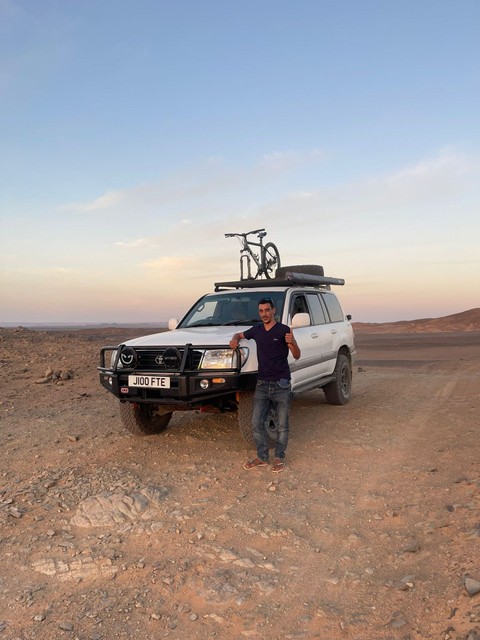
The Sahara Desert is the world's largest hot desert, stretching across North Africa. Its vast, sandy landscapes and dramatic dunes offer a thrilling adventure for those seeking a unique travel experience. Before embarking on a camel trek, it's crucial to understand the terrain you'll be navigating. The desert is characterized by extreme temperatures, with scorching days and chilly nights.
When preparing for your trek, consider the time of year you'll be visiting. The best months are typically from October to April, when temperatures are more manageable. Remember, the desert's beauty is paired with challenges, so being well-prepared is essential for a safe and enjoyable journey.
Packing Essentials
Packing effectively for a camel trek is key to ensuring comfort and safety. Start with lightweight, breathable clothing to cope with the heat. Layers are important for adjusting to temperature changes from day to night. A wide-brimmed hat, sunglasses, and a scarf or bandana are also crucial for sun protection.
Your packing list should include the following essentials:
- Water Bottles: Staying hydrated is vital in the desert.
- Sunscreen: Opt for a high SPF to protect against harsh UV rays.
- Sturdy Footwear: Choose boots suitable for sand and rough terrain.
- Sleeping Bag: Nights can be cold, so a warm sleeping bag is necessary.
Physical Preparation
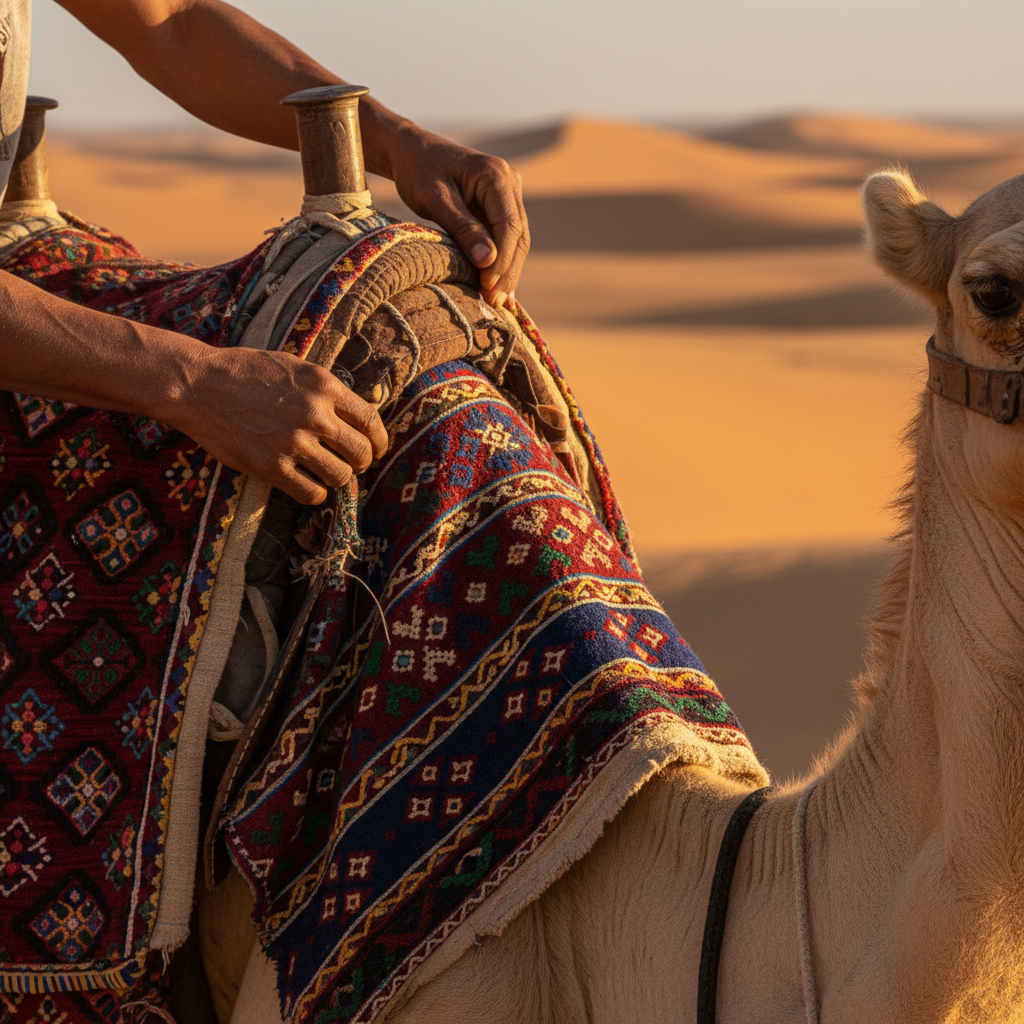
Embarking on a camel trek requires a certain level of physical fitness. Though camels do most of the walking, you'll need to be able to mount and dismount comfortably. Consider incorporating some light exercise into your routine leading up to your trip, focusing on flexibility and core strength.
Additionally, spending time walking or hiking in sand can help acclimate your body to the desert conditions. If possible, practice sitting on a moving object to get a feel for the camel's gait, which can be quite different from walking.
Choosing the Right Guide
Having an experienced guide is crucial for navigating the Sahara safely. A reputable guide will not only lead you through the desert but also share insights into local culture and history. When selecting a tour operator, research reviews and seek recommendations to ensure they have a strong safety record and knowledgeable staff.
Respecting Local Culture
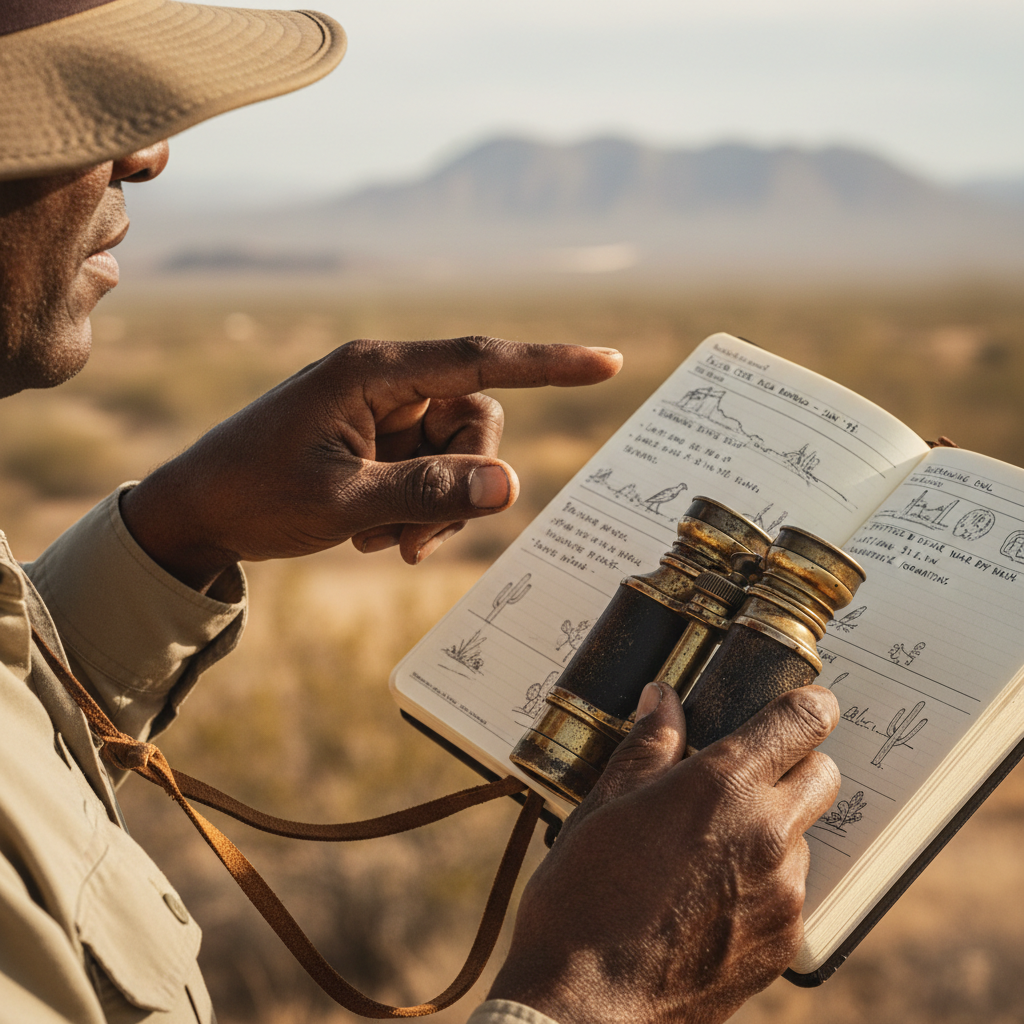
The Sahara is home to vibrant cultures and communities, including the Berber and Tuareg people. As a visitor, it's important to respect local customs and traditions. Dress modestly and be mindful of cultural sensitivities. Learning a few basic phrases in the local language can go a long way in showing respect and fostering connections.
Participation in cultural traditions, such as tea ceremonies or music, can enrich your experience and provide a deeper understanding of the desert's inhabitants.
Safety Considerations
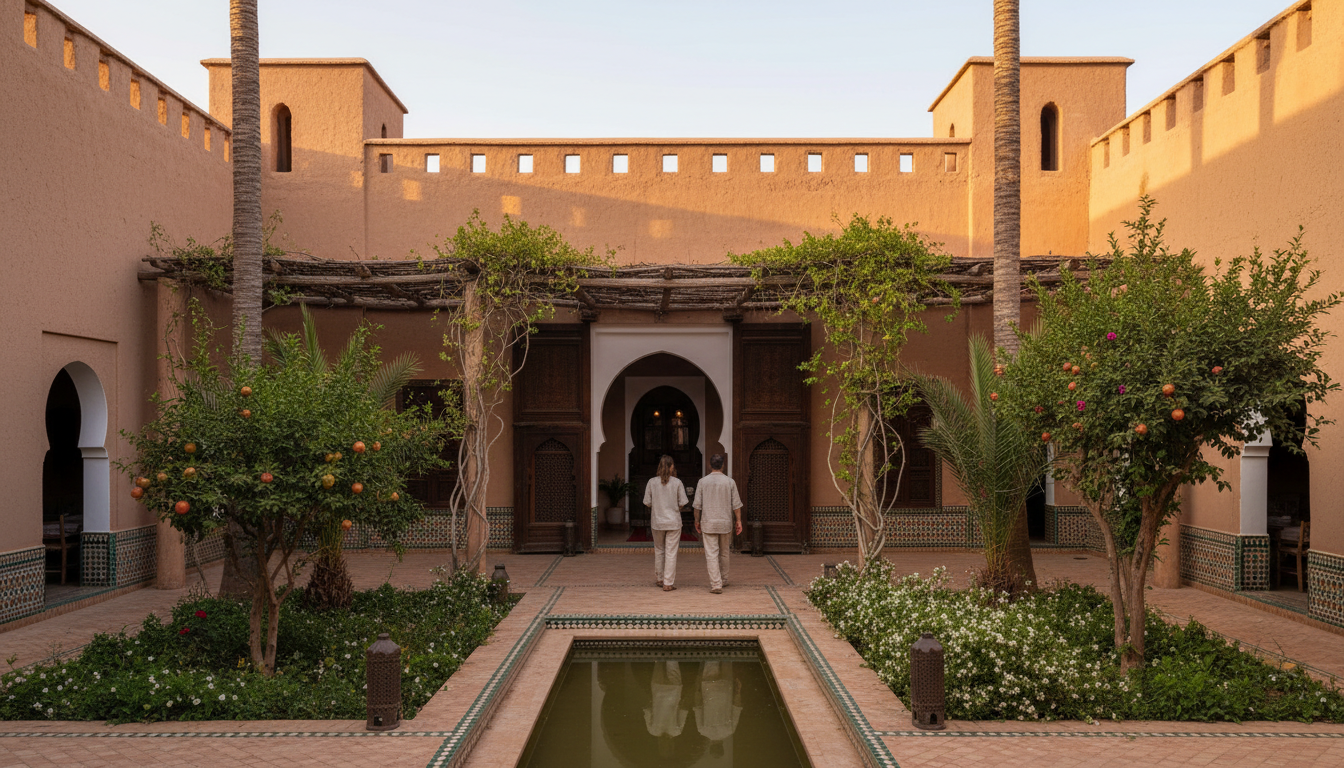
Safety should always be a priority when trekking in the Sahara. Ensure you have a basic first aid kit with you, including bandages, antiseptic wipes, and any personal medications. Familiarize yourself with signs of heat exhaustion and dehydration, and take necessary precautions to avoid them.
Always travel with a group or a guide, as the desert's vastness can make navigation challenging. Stay informed about weather conditions and be prepared to adjust your plans if necessary.
Enjoying the Experience
Finally, immerse yourself in the adventure and enjoy the unique environment of the Sahara. Take time to appreciate the stunning sunsets, starry nights, and the serene silence of the dunes. A camel trek in the Sahara is not just a journey through one of the planet's most extreme landscapes, but also an opportunity to disconnect and find peace in nature.
With careful preparation, respect, and an open mind, your trek through the Sahara Desert can be a life-changing experience.