Exploring the Rich Tapestry of Moroccan Culture

Introduction to Moroccan Culture
Moroccan culture is a vibrant tapestry woven from a rich history, diverse influences, and a unique blend of traditions. From its colorful souks to the majestic Atlas Mountains, Morocco offers a sensory feast for those eager to explore its depths. This North African gem is a melting pot of Berber, Arab, and French cultures, each contributing to its distinct identity.
The Melodic Sounds of Moroccan Music
Music is an integral part of Moroccan culture, reflecting the country's diverse heritage. Traditional Moroccan music includes a variety of styles such as Andalusian, Berber, and Gnawa. Andalusian music, with its roots in the Moorish culture of Spain, is characterized by its orchestral arrangements and poetic lyrics.
Gnawa music, on the other hand, is a spiritual and hypnotic genre that combines African, Berber, and Arab influences. Its deep, rhythmic beats and soulful chants are often accompanied by traditional instruments like the guembri and qraqeb. Attending a Gnawa music festival is an unforgettable experience, offering a glimpse into the spiritual and communal aspects of Moroccan life.
Culinary Delights
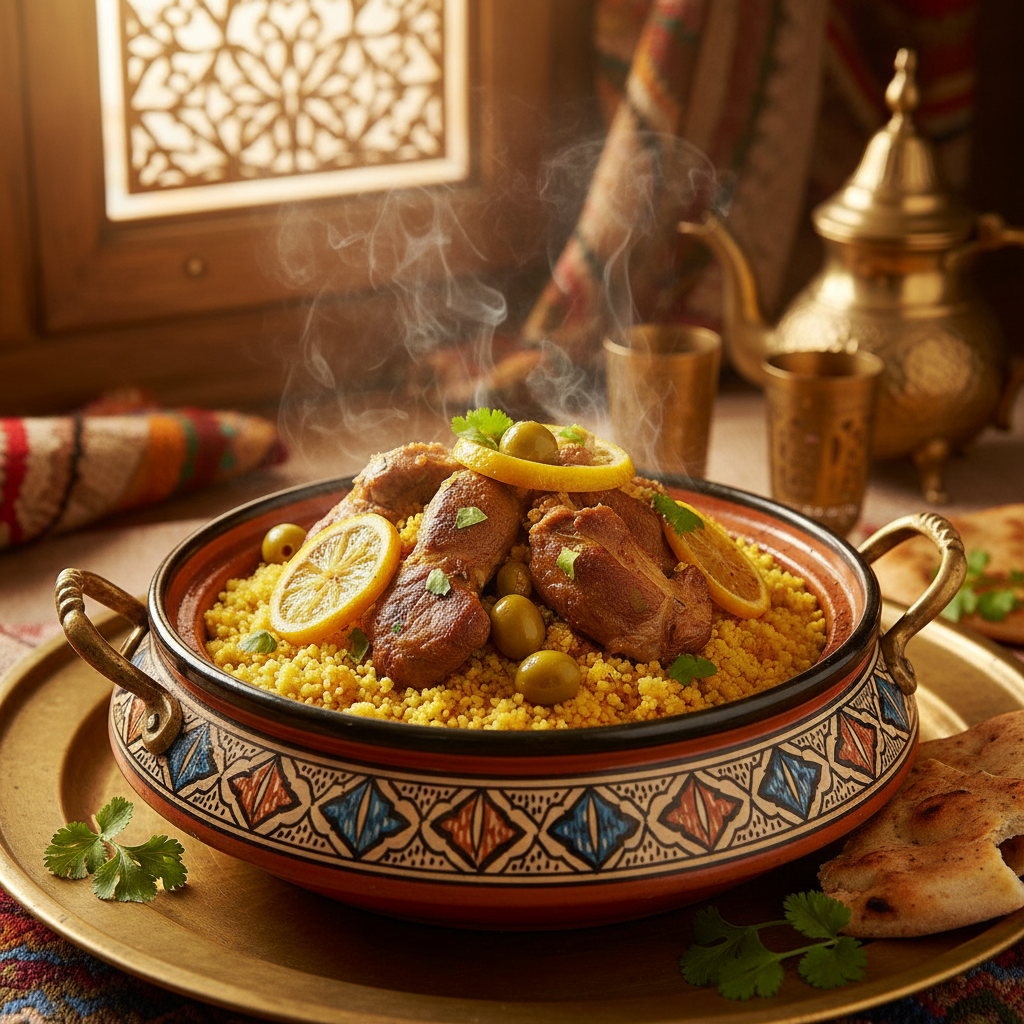
Moroccan cuisine is a delightful fusion of flavors and spices, making it a paradise for food enthusiasts. The country's culinary reputation is built on dishes like couscous, a staple made from semolina grains, traditionally served with meat and vegetables.
Tagine, another iconic Moroccan dish, is a slow-cooked stew of meat, poultry, or fish with vegetables and aromatic spices. The unique conical clay pot in which it is cooked lends the dish its name and enhances its rich flavors. A visit to Morocco is incomplete without indulging in these delectable dishes.
Traditional Moroccan Attire
The traditional clothing of Morocco is as diverse as its culture. The djellaba is a long, loose-fitting robe with a hood, commonly worn by both men and women. It is often made of wool for warmth or lightweight fabric for everyday wear.
For special occasions, women may wear a kaftan, a richly embroidered garment that exudes elegance and sophistication. The vibrant colors and intricate designs of Moroccan attire reflect the country's artistic heritage and the importance of fashion in Moroccan society.
Exploring Moroccan Architecture
Moroccan architecture is renowned for its intricate details and unique aesthetic. From the ornate mosques to the traditional riads, Moroccan buildings are a testament to the country's architectural prowess. Riads, with their central courtyards and lush gardens, offer a serene retreat from the bustling city life.
One of the most iconic examples of Moroccan architecture is the Hassan II Mosque in Casablanca. Its stunning minaret, the tallest in the world, and its exquisite mosaics make it a must-visit for anyone interested in architectural marvels.
The Art of Moroccan Handicrafts
Moroccan handicrafts are renowned for their beauty and craftsmanship. From handwoven carpets to intricately designed pottery, these artisanal products reflect the country's rich artistic tradition. The medinas of cities like Marrakech and Fes are treasure troves for those seeking authentic Moroccan crafts.
Visitors can explore bustling souks filled with vibrant textiles, leather goods, and metalwork. Each item tells a story of the skilled artisans who have perfected their craft over generations, making Moroccan handicrafts highly sought after worldwide.
Conclusion
Exploring Moroccan culture is an enriching journey that unveils the country's diverse heritage and traditions. Whether through its music, cuisine, architecture, or art, Morocco offers an experience that captivates and inspires. For those seeking to immerse themselves in a rich cultural tapestry, Morocco stands as a beacon of history and creativity.